Adisham Monastery
A Benedictine abbey founded in 1927 in the tea hills surrounding Haputale, Adisham Monastery blends Tudor architecture, terraced gardens and contemplative life. Open weekends, it produces renowned artisanal preserves.
Perched at approximately 1,600 metres altitude in the tea hills around Haputale, Adisham Monastery is a Benedictine abbey founded in 1927. Built in an unusual Tudor-Gothic style for Sri Lanka, it occupies a former colonial villa surrounded by manicured gardens and tea plantations. The monks live in contemplative community; visitors may access parts of the grounds on weekends and public holidays.
Practical information at a glance
- Access: approximately 3 km west of Haputale town centre, reachable by tuk-tuk or on foot from the railway station.
- Opening days: Saturdays, Sundays and public holidays only — the monastery is closed on weekdays.
- Dress code: appropriate attire required (shoulders and knees covered).
- Recommended duration: 1 to 2 hours, including gardens.
- Local products: preserves and jellies made by the monks, sold on-site.
What to see
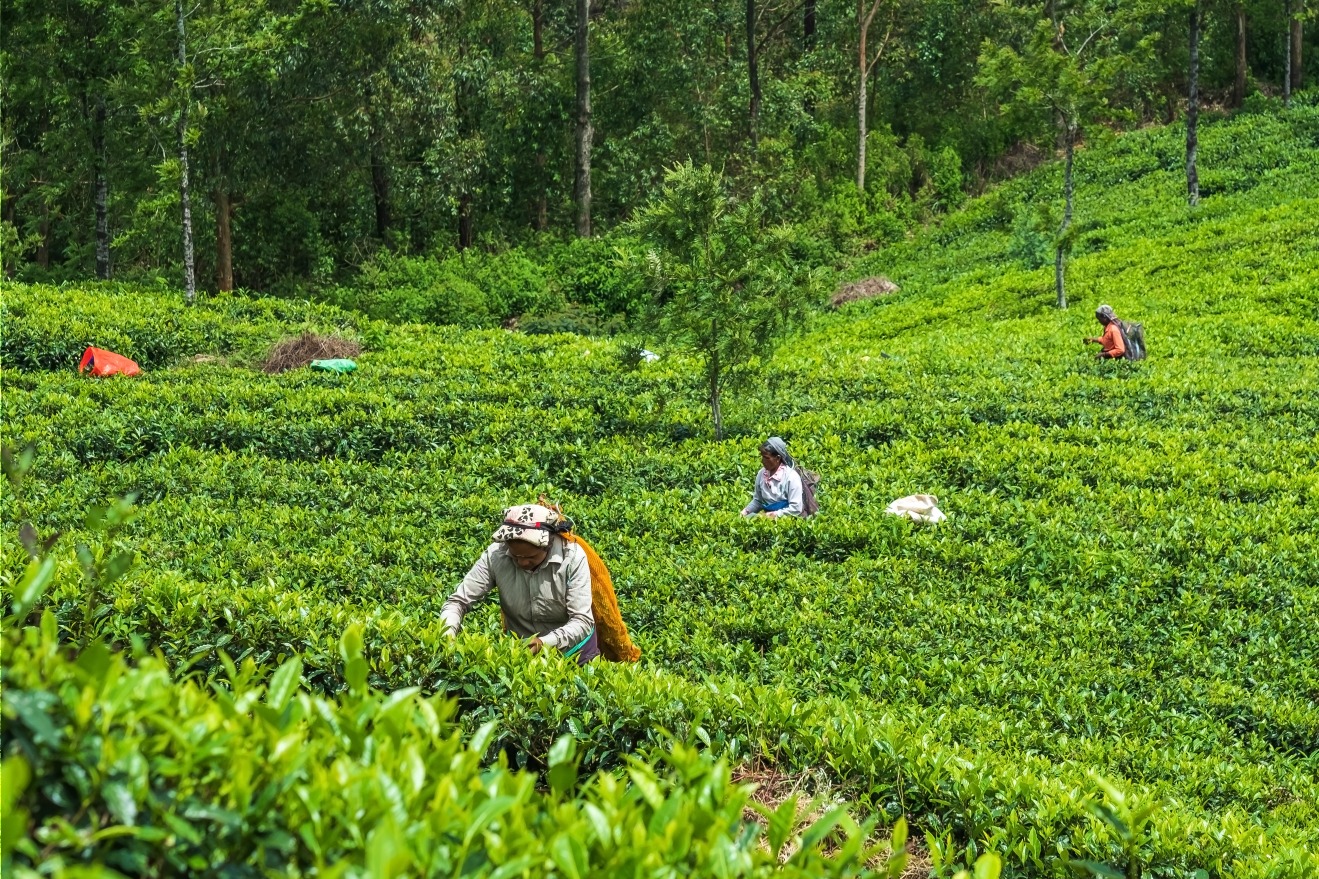
The main building faithfully recreates the architecture of an English country house: stone façade, mullioned windows, fireplaces. Inside, a simple chapel and a few rooms are open to the public. The terraced gardens planted with roses, pines and fruit trees contrast with the rows of tea plants stretching beyond the walls. On clear days, views across the valley and surrounding hills are unobstructed.
History and context
The villa was built in 1927 by Sir Thomas Villiers, a British planter, who named it "Adisham" after a village in Kent. Benedictine monks from Saint-André Abbey (Belgium) took possession in 1961 and established it as an active priory. The community has since produced preserves, jellies and other conserves sold to visitors — a tradition that continues.
Highlights of the visit
The chapel and colonial interior
The interior chapel, spare and silent, retains original furnishings. Dark woodwork and subdued stained glass evoke the atmosphere of an English country church transplanted to the tropics.
The terraced gardens
The gardens are meticulously maintained by the monks. Rosebushes, fruit trees and trimmed hedges create an unexpected space at this altitude. This is the most photographed spot on the site.
The monks' preserves
The shop stocks artisanal preserves (strawberry, guava, orange marmalade) and jellies prepared by the community. These products are renowned throughout the region and make a tangible souvenir of your visit.
Etiquette and visiting rules
- Respect silence inside buildings; this is an active monastic community.
- Shoulders and knees covered are mandatory.
- Do not enter areas reserved for the monks.
- Avoid loud visits or large unguided groups.
Photography tips
Morning light is most flattering on the east-facing stone façade. The terraced gardens offer a structured frame with tea hills as backdrop. Inside the chapel, photography is generally permitted without flash — check on arrival. In misty weather (frequent during monsoon season), the vegetation takes on a particularly lush appearance.
Location and access
The monastery lies about 3 km west of Haputale railway station, on a road that climbs gradually through plantations. A tuk-tuk from Haputale town centre is the most convenient option. Walking is possible but demanding on the return journey (uphill). Haputale is connected by train to Ella and Nuwara Eliya, which makes it easy to include in a hill country circuit.
Nearby attractions
- Lipton's Seat — panoramic viewpoint over Dambatenne tea plantations, accessible from Haputale.
- Ella — lively mountain village with the famous Nine Arches Bridge, about thirty kilometres away.
- Horton Plains National Park — high-altitude plateau with the World's End viewpoint, accessible from the region.
Frequently asked questions
The monastery opens only on Saturdays, Sundays and public holidays. It remains closed on weekdays to preserve the contemplative life of the community.
Yes. Shoulders and knees covered are mandatory, as in any place of worship in Sri Lanka. Bring lightweight long-sleeved clothing if wearing a sleeveless top.
From Haputale, you can follow up with Lipton's Seat the same day (tuk-tuk to Dambatenne, then a walk). Ella is reachable by train in under an hour for an overnight stay.
Yes, a small shop sells artisanal preserves and jellies made by the community. Stock varies by season; arrive early for the best selection.
The gardens are very child-friendly. The interior requires quiet and discretion. The tuk-tuk ride up from Haputale is short and hassle-free.
Interested in this visit?
We can include it in your personalised itinerary.